An afternoon gets spent straightening up—laundry folded, surfaces cleared, everything back where it belongs. The room looks fine, but somehow, nothing really changes. It’s still a little cramped, still a bit busy, and not quite the spot where you can fully unwind at the end of the day.
That feeling usually isn’t about effort—it’s about how the space actually works day to day. When furniture isn’t pulling its weight, it quietly makes things harder, no matter how often things get tidied. Sometimes, a fresh, expert perspective helps spot what’s holding a room back.
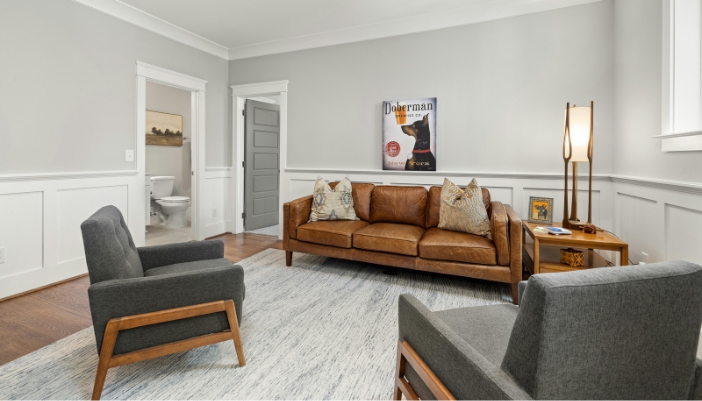
When Furniture Makes a Room Feel Smaller Than It Is
Everything’s picked up, surfaces are wiped down, and somehow the room still feels crowded. Most of the time, it’s not about cleaning habits—it’s that the furniture isn’t working with the space.
- Oversized pieces that take over: That big, comfy sofa or extra-wide dresser might feel great, but when it takes up too much space, everything else starts to feel tight.
- Low, wide furniture that spreads out: Pieces that sit low and stretch across the room can make things feel shorter and more crowded, especially if they hug the walls or take over the middle of the space.
- Tight spacing between pieces: When furniture is packed in too close or fills up every bit of floor, the room just doesn’t feel open—even if everything is technically where it belongs.
- Heavy finishes that weigh things down: Dark woods and chunky shapes can make furniture feel heavier than it really is, which adds to that closed-in feeling without adding anything extra.
Pro Tip:
Swapping out just one oversized piece for something that fits better—or choosing a taller, slimmer option—can open up the room right away, no major overhaul needed.
The Real Reason Things End Up on Every Surface
Most clutter doesn’t start out as clutter. It usually begins with, “I’ll just set this here for now,” and before long, every flat surface is doing more work than your furniture.
- Basic furniture with no storage: A regular bed frame or plain coffee table might look tidy, but without drawers or hidden space, extra blankets, remotes, and daily items stay out in the open.
- Daily items without a home: Chargers, books, throw blankets—things you use all the time tend to land wherever there’s space when furniture doesn’t account for them.
- Too much reliance on surfaces: When storage is missing, nightstands, dressers, and tables turn into the default drop zone, even though they were never meant to hold that much.
- Tidying that never quite sticks: You can clear everything off, but if there’s nowhere for it to go, it all comes right back—and the room looks cluttered again in no time.
Pro Tip:
Look for furniture that adds storage without calling attention to it, like a bed with drawers underneath or a coffee table with a hidden compartment. That way, daily items have a place to go without taking over the room.
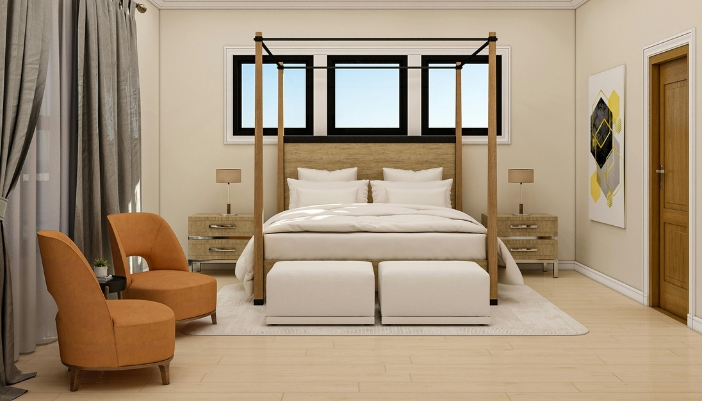
Why Some Furniture Attracts Clutter
There’s usually that one chair in the corner, the coffee table that collects everything, or shelves that never quite look finished. Some furniture just seems to attract stuff, no matter how often it gets cleared off.
- Open shelving that puts it all out there: It might look great when styled, but real life isn’t always picture-perfect. Open shelves can quickly turn into visual clutter once daily items start to mix in.
- Large, flat surfaces that become catch-alls: Big nightstands, wide dressers, and roomy coffee tables naturally collect whatever’s in your hands—mail, keys, remotes—until they’re holding more than they should.
- Media consoles without hidden storage: Cords, devices, and accessories end up out in the open, which makes the space look busy even when everything is technically in order.
- Too many in-between spots: When furniture doesn’t have clear storage zones, small piles start forming in random places simply because there’s no defined space for what you use most.
Furniture That Actually Solves the Problem
When the right pieces are in place, the room starts working better almost immediately. Surfaces stay clearer, storage feels easier, and clutter stops bouncing from one spot to another.
- Storage beds that clear out the overflow: Extra bedding, off-season clothes, and those “where does this go?” items finally have a place—without adding another bulky piece to the room.
- Coffee tables that actually stay clear: Hidden storage makes it easy to tuck away remotes, blankets, and daily items, so the surface doesn’t fill back up right after it’s cleaned.
- Media consoles that keep things simple: Cords, devices, and accessories stay tucked out of sight, helping the room feel calmer and more put together.
- Taller storage that opens up the floor: Choosing vertical storage instead of wide pieces keeps storage capacity high while freeing up visible floor space.
- Multifunctional pieces that do more with less: When one piece handles multiple needs, there’s less furniture overall—which makes the space easier to manage and more comfortable to live in.
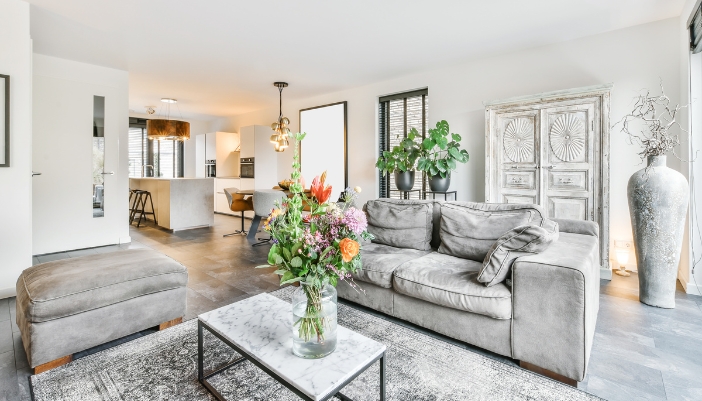
Less “Stuff Everywhere,” More “Everything in Its Place”
A room shouldn’t feel like a never-ending reset. When furniture starts doing more of the heavy lifting, the space looks calmer and is easier to keep up without the extra effort.
The right mix of storage, scale, and smart design can completely change how a room works day to day. Figuring out what could work better doesn’t have to be a guessing game. Our experts at Economy Furniture are always happy to help you find pieces that make everyday life simpler—stop in and explore options that truly fit the way you live.